What are sensitive data?
Sensitive data, or special categories of personal data, are personal data subject to special protection under the General Data Protection Regulation (GDPR). These data include information about:
- Race or ethnic origin
- Political or religious opinions
- Health or sexual life
- Criminal convictions or offences
Why are sensitive data important?
Special categories of personal data are important because they reveal very personal information about individuals. This information can be used to discriminate against, harass, or even harm people.
Examples of special categories of personal data
Some examples of sensitive data include:
- A person’s ethnicity or nationality
- Their religion or beliefs
- Their sexual orientation or gender identity
- Their medical history or mental health records
- Their criminal record
Privacy risks without GDPR
If the GDPR did not exist, companies could process sensitive data without the consent of the individuals affected. This could lead to several privacy risks, including:
- Discrimination: Companies could use special categories of personal data to discriminate against people in employment, housing, or education.
- Harassment: Companies could use special categories of personal data to harass people.
- Identity theft: Special categories of personal data could be used to steal people’s identities.
- Violence: Sensitive data could be used to incite violence against people.
Conclusion
The GDPR is an important regulation that protects the rights of individuals about their special categories of personal data. If the GDPR did not exist, people would be exposed to several privacy risks.
The law firm Auratech will be pleased to assist you in lawfully processing these categories of data.
Posts
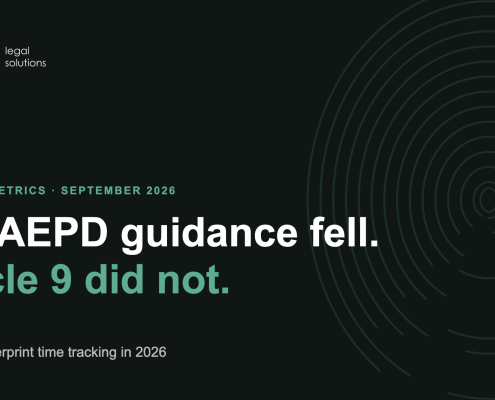
Spain's National Court annulled the AEPD biometrics guidance in June 2026. The instrument fell, not the rule: what your company must prove before keeping a fingerprint reader.

The AEPD treats workplace biometric processing as sensitive. We explain when it may be used, the legal risks and what companies should review.

Practical guide to special categories of data under the GDPR: health, biometric, political, religious and sexual orientation data, Article 9 exceptions and safeguards.